My gym is undergoing renovations—they took over the lower level and moved the front desk downstairs, and added a staircase that runs up through the middle of the upper level. The strange thing is that to get to the locker rooms, you have to walk upstairs and then across some open gym area where people are working out, and it’s a bit strange to imagine people walking across in their winter coats when you’re doing squats in your workout clothes.
Then I had a reflection—if I came into this gym once all the renovations were done, I would probably comment (at least in my head, likely out loud too), how badly designed the space was. Why did they put the locker rooms far away and force people to walk awkwardly through?? But having seen all of the steps of the renovation, I understand why the stairs had to be placed there, and the locker rooms (with bathrooms and showers) couldn’t be moved.
We often judge a design based on the result, whether it’s a product we use, the design of a physical space, or a video game. We don’t see the countless small decisions and constraints that led to the design being the way it is, and that change of perspective is a very interesting one which leads to more conscious criticism of design as well as more kindness to the design (and therefore likely the designer).
And of course, to zoom out and make this about life and not just about design, we can notice that we do this with people all the time. People’s behaviours (and traits) are informed by countless constraints that we don’t see or know, and could not possibly know. This is classic fundamental attribution error, but I find this design example to be a nice reminder to be a little bit kinder and more understanding of things or people that we may be too quick to criticize.
I organized another series of leadership roundtables through Game Dev MTL this past summer, and wanted to share the notes here. This is article 1/3, others will be posted soon! I learned a lot from the session, hopefully these notes will help you learn too!
Leadership vs Management?
Pretty quickly after the round-table started, it was brought to my attention that what I wrote as “leadership styles” might actually be management styles, according to two folks who studied management who were in the roundtable. We discussed the differences:
Leadership: how you influence people, how you inspire people to do the things you / the company needs
Management: the logistical aspects of running a team, how things get done
Of course there’s a lot of overlap, and a lot of folks who run (especially small) studios are leaders and managers. But the best leaders are not always managers, and the best managers are not always leaders.
The most common leadership styles were talked about through a variety of personality tests and leadership tests which are discussed in the sections below and the resources sections.
Leadership Styles
To read about all of the leadership styles discussed and their descriptions, see the appendix section below. Note that none of these leadership styles are “good” or “bad”, and we dismissed any styles which were outright negative. For example, “autocratic” is usually seen as dictatorial and therefore negative, but calling this style “commanding” (and with the definition given on the Miro board) this has a different connotation. As mentioned, these might be more management styles than leadership styles, a distinction I didn’t make before the session.
Some notes on adapting your leadership style:
Setting Expectations about your Leadership/Management Style
We talked about how you communicate your leadership/management style to your team, and when this takes place.
Personality Tests
We talked about personality tests when discussing the different leadership styles, see the resources section for links.
Other Important Notes
We discussed leadership in general and some of our struggles and successes. Some common themes came up, especially around setting boundaries for what a leader or manager should be responsible for—it’s important to be empathetic, respect your employees and give them every chance to succeed while accommodating them as much as possible. But at the same time they need to be doing their work and you’re not responsible for being their therapist or their friend.
Hope this was helpful! Give me a follow on BlueSky or LinkedIn to see more posts like this and other game dev leadership stuff!
Team communication issues often come from differences in how people communicate and how people want to be communicated with. This can be cultural, personal preference, or forged by previous work experience. Either way, every team member has specific ways that they like to interact, receive feedback, and collaborate on tasks.
When discussing our approach to communication at Clever Endeavour Games, other leaders often ask for details, so I thought I’d share that here.
What we do at Clever Endeavor is that we have a form called How to Interact With Us that all employees fill in at the beginning of their employment. When a new employee joins, everybody on the team updates their own How to Interact With Us page and also reads everyone else’s page. This is not only for managers! It’s important that anyone who will be working together understands the quirks of their colleagues, and it helps to accelerate this process to avoid miscommunication and frustrations.
Even when we don’t have new employees, we do this once a year anyway, because things change from year to year in terms of how people want to be interacted with. The form includes these questions:
Conditions I like to work In
The times / hours I like to work
The best ways to communicate with me
The ways I like to receive feedback
Things I need
Things I struggle with
Things I love
Other things to know about me
I’ll give a couple of examples of my own answers:
Best ways to communicate with me: “Ping me on Discord. Ideally, ping me in an open channel so that people see the conversations we’re having so that it promotes more of a culture of constant communication.”
Things I struggle with: “The balance between micro-managing and not giving enough direction. I don’t want to have my hands in everyone’s work but also want to make sure everyone’s working toward the same goal and has motivation in their work.”
From one of my employees—The hours I like to work: “It depends on the day. Lately I’ve been working late mornings – late evening, but I am sometimes up early mornings to afternoon.”
Some of these are somewhat “easy”—enjoying working early in the morning, preferring focused time in the afternoon, whether they like to get feedback in open channels or direct messages, etc. But I’ve also had examples in the past where someone has said that they can sometimes get distracted on video calls because of their ADHD and therefore I shouldn’t feel bad to call their attention to the discussion if I see them drifting. Had I not known that, I might have assumed that their wandering attention was because they were bored, not checked in, or not motivated.
In general, it’s important to communicate differently with each person on the team whether you’re a manager any other team member, and tools like this can help you encourage effective communication. Highly recommend!
I’m back with another blog post about hiring—we recently hired a wonderful artist and wanted to share the experience in the hopes that either employers or folks looking for work can learn something from our process. We were looking for a UI & 2D artist who could do a wide variety of things as we’re a small team, but hopefully this post will apply to any job postings in game development.
This post will focus on the following topics with learnings throughout:
The job posting and applications
Application review
Interviewing & tests
Diversity and equity are at the core of Clever Endeavour Games and you’ll see these themes throughout the post, so they won’t have their own section. If DEI isn’t worked into every aspect of your hiring process, you should review your processes and ensure that it is.
This is a good time to acknowledge my positioning—I realize that this blog post is adjacent to discussions of DEI in the games industry, and it’s important to recognize that I’m contributing to this discussion as a white man who is also the head of a (small) successful game development studio. I’m offering my experience to share learnings and encourage reflection on hiring practices, but recognize that I’m still learning too and that there are likely aspects of this discussion that I’m missing!
Learnings and mistakes we made will show up throughout the post in bold.
Let’s get to it.
The Job Posting & Applications Received
In my 2021 blog post about hiring, I talk about writing a job description to maximize the potential of attracting diverse talent, so I won’t cover that here. Since 2021 we’ve been making sure to focus on this and have been very happy with the results.
In case you’re curious about the job posting and seeing some of these learnings in action, you can see it here.
First learning: someone mentioned that they really liked how communication was the top requirement in our job post—will do this again! It’s extremely important to our organization, especially with hybrid/remote work.
Applications & Sorting
We received a lot more applications than expected—I (naively) expected only around 60 applications, but in the end we had 353(!). I spoke to others both on our team and from other studios after and they weren’t surprised by the number given that it was an artist position. There’s a ton of competition to get art jobs (and honestly most jobs) in games.
We were hoping to get someone in Montreal or at least in Canada, but made the job available to folks outside of these regions in case we couldn’t find the talent we were looking for locally. We received 163 applications from people who were not legally allowed to work in Canada. Of the remaining 190 applications, we probably had another 40 or so who had no experience anywhere close to what we were asking for (for example, folks with an IT background who had never studied or worked in art and had no portfolio). Had we known that we would get over 300 applications, we wouldn’t have made this open to folks who are not legally allowed to work in Canada. This was a waste of our time and the time of those people who applied.
We looked almost exclusively at portfolios seeing as this was an art application. Portfolio first—if that was good, we looked at cover letters. If those were good (enough), we looked at CVs. The cover letter should explain the work on the CV that is relevant to the job, so this definitely makes the CV the last stop. This might be a personal thing, but especially for art, the understanding of art fundamentals will show up in your portfolio and I don’t need to know (or care) whether you went to art school or not.
Okay, down to around 150. We sorted through the applications by having three members of the team look through the spreadsheet with all applicants and mark in red the ones who were not up for consideration. If there was a chance they might be considered, we would leave those cells white. This helped us to break up the task and not have one person spend days on this, and it also sped up the process so that we could get back to applicants faster. We went through the remaining ones together and did another pass, marking most in red until we were down to only around 15-20. For those 15-20, we discussed them and I leaned heavily on our art director’s sense to tell us who was a better or worse fit.
Some potential areas of bias:
Time of day — if it’s the end of the day and you’ve just seen 20 applications, you’re much less likely to give as much time and attention to the 21 as you did to the first one of the day. Depending on the person reviewing the application and their energy levels, hunger levels, etc. this can affect the reading. We tried to avoid this by having others on the team review candidates as well.
Whether someone had been recommended by another dev or a friend — this didn’t make us judge their portfolio less critically, but it did lead to, for example, asking them to explain more about their work. This is of course special treatment that is unfair, but we tried to avoid this by having others on the team, who didn’t know the applicant, review their portfolio.
In my previous blog post I have a big section on potential areas of bias and questions to ask yourself as an employer, so check that out!
Another learning was that we asked for references in the initial job post form—some applicants said they weren’t comfortable providing these unless asked. This was a mistake! In hindsight I think it’s inappropriate to ask for references and contact information for those references without knowing that you plan to follow up with the applicant.
Applicant Profiles
In these applications we saw a wide variety of work and profiles, but the most common ones were:
animators or artists who had no experience working in games, but had experience animating for cartoons or client work in either 2D or 3D, or using motion graphics
game artists who were 3D modelers or animators but had nothing on their portfolio about any 2D work
This leads me to the next learning: include everything you’ve done on your portfolio, and check with others in your field if you think it’s embarrassingly bad—they’ll almost certainly reassure you that it’s good enough to include. There were a couple of applicants whose 3D work or TV animation work was so good that we reached out to ask if they had other stuff they weren’t sharing—one of the 3D artists shared a large portfolio of life drawing, cartoon sketches and more which helped their application in a huge way.
Oh, another thing: if you’re an artist, please include life drawings in your portfolio! This is such a good way to show other artists, assuming they’re involved in the hiring process (which they should be), that you have a good understanding of the fundamentals of drawing humans, and likely other anthropomorphic beings.
We received almost no applications from people who had any experience with UI, even though it was in the job title. I’m not sure where those folks are! But they weren’t applying for this job—we had two, maybe three who had experience with this. That said, people can learn and part of maximizing the potential for diversity in your job application process is to understand that if someone has the necessary fundamentals, they can learn the craft you need them for. So we still did move forward with interviews for candidates who did not have games UI experience.
Where Did Applications Come From?
The best applicants came from people who reached out directly after I posted on a mailing list of other studio leads in the game development industry. This process was also super helpful because some game developers who I trust and know well recommended people they had worked with in the past, and this was a huge boost to their applications. This of course introduces bias and it’s important to note that if this was the entire job search process, it would only favour those who already have experience in the “right” places with the “right” people—i.e. the people who are already in power in already successful organizations.
Because of this potential bias, we also posted the job in as wide a variety of places as possible. This included in mailing lists from organizations in Montreal that aim to help promote gender equity in the games industry, as well as other community organizations whose missions align with our own surrounding diversity and equity. We also posted the job on WorkWithIndies, a lovely site that I personally think is the best place to post/find indie game dev jobs.
We weren’t getting a lot of applications at the start, so I started reaching out to individuals on LinkedIn who had the tag #readytowork. I ended up getting the trial for the LinkedIn business plan so that I could reach out directly to more people. This didn’t create any good leads—I mostly ended up with folks who were looking for AAA work (large companies like Ubisoft, Warner Bros, etc.) and not indie game work (smaller companies like us). Some potential leads did come about as folks answered me saying they knew someone who might be interested in the job. Again, this didn’t result in any promising applications, but I would do it again for the chance that it does.
We did not post the job through LinkedIn jobs, Indeed, or other services other than WorkWithIndies. In the last 4 jobs that we’ve posted, Indeed has not once given us even a single candidate that made it to the interview round (or anywhere close). LinkedIn was not as terrible, but still not good. In both cases, the people applying used features like “quick apply” meaning they put absolutely no work into the application, which makes sense since most of them didn’t work in this field at all. But then we still have to sort through them!
Responding to Applicants
As we went through the process of deciding who would not be considered for the job, we sent batch emails to tell applicants that they did not get the job. A number of people responded thanking us for getting back to them quickly, or for responsing to them at all. Some places don’t even send you anything if you didn’t get the job(!!). As a matter of basic respect for the people applying to the job,send them an email telling them they weren’t considered for the job as soon as you know.
We batched applicants into different groups and sent the same email to the next group once we were sure they were no longer in the running. When we had about 15 left, we told them all that we needed some more time and that we’re sorry that we hadn’t gotten back to them sooner. That said, our process is so much faster than the average (especially large companies) that I don’t imagine anyone had an issue with it. Once we got to the interview round, we interviewed 4 people but kept the other 9 around in case all of the interviews went poorly. After the interviews and tests, we knew we would go with one of those 4 we picked so we told the other 9 that they did not get the job, and provided a couple of paragraphs of explanation why—whether that was portfolio feedback, cover letter feedback, or explaining the other reasons (for example one candidate was really good but outside of Canada and with a very different time zone).
Art Tests
I went back and forth a bit in my mind about doing art tests, and I’m very glad that we did it in the end. We did a paid test (of course), and decided on six hours during a period of 10h, paid at $40/h.
The timing was chosen to allow applicants time to complete the test (since we were asking for UI and basic animation) and within a broader time period of 10h so that they could choose when they do it. This was sent on a Thursday morning, and the tests needed to be done by end of day Monday—this allowed applicants to choose a weekend day or a weekday for the work. **Quick note about inclusion here: often the people who are marginalized by our industry also tend to be in situations where they have less free time or less flexible schedules. Giving a short, fixed window will lead to more and better tests done by people with a time and flexibility privilege, which goes against our goals of inclusion.** Once they gave me their available 10h time slot, I scheduled emails to go out at the start of their time slot so they couldn’t get a head start (i.e. work way too long on something without compensation).
The $40/h pay was chosen because the job post said $70k+ salary, and there are 260 working days in the year according to the Canada Revenue Agency, so divide the yearly salary by 260, then by 7 (for 7h per day of work) and you get just under $40.
One possible source of bias with the test is that we asked applicants to think outside the box and be creative — We had some younger women applicants whose tests were not as “outside the box” as one of the male applicants—could it be that women, especially younger women, are less likely to take creative risks in tests/interview settings because our culture tells women to stay small and quiet and not to be bold? Creativity was important to us for this role, so how can we try to encourage that creative risk-taking more next time we have a test? We will make a point to address this head-on and next time, we will encourage all applicants to take creative risks, understanding that this can be harder to do naturally for more junior people or people holding identities that have been marginalized in our industry.
Vibe Checks & Interviews
I did a vibe check call before the art test, and then interviews were done after the test. Vibe check calls are super important even though they risk introducing biases. In the past, I avoided doing vibe check calls because I wanted to avoid bias—I had read a lot about how vibe checks lead to seeing how similar you are to the potential candidate and then influence you to hire people who are like you (i.e. not diverse relative to you or your organization). That said, I’ve had experiences where a vibe check call probably would have helped me to learn more about potential employees and avoid issues in the long-term, either by not hiring the person or by knowing what to look out for and what to work on when communicating with them. In hindsight, and now having experience doing vibe check calls for the last three hires, I understand that I’m not going to fall prey to this source of bias because I’m actively looking for people who are different than me—in life experience, ways of thinking, types of work experience, passions, etc. So if anything I’m actually more likely to not want to hire someone who is similar to me.
It’s important to take steps to remove bias in your hiring process, and it’s equally important to be conscious of how these steps are executed. In following bias-removal techniques blindly, you may risk hiring the wrong person and potentially even harming the diverse culture you aim to create.
In two (of four) cases, we didn’t end up interviewing the candidate after the test because the test did not meet our needs. I’m not sure if this was a mistake or not, but it felt disingenuous to set up calls with people when we knew that we weren’t going to hire them. In our email telling them they weren’t selected, we gave extensive feedback on the application and the test as well.
Our interviews were fairly short and allowed time to have the candidate ask questions. It was around 30 minutes to make sure they had time to think about and ask questions if they wanted to. I won’t include our interview questions here as that should probably be its own blog post in the future.
A Final Diversity Thought
In the end, the applicant we chose was another white dude. I say “another” because, while the only other “white dude” in the company right now is me, we started as three white men as co-founders. The company has become more diverse over the years but I was still very concerned about the perception of that and how it seems like we’re not hiring for diversity even though we say everywhere that we’re aiming for diversity and that it’s one of our core tenets.
I spoke to some others in the industry about this fear, specifically others who have worked on initiatives relating to diversity and equity in the games industry, and they reassured me that first of all, the fact that I’m even thinking about this and concerned about this perception is a very good sign. Second, they reassured me that if we grow more, we will naturally become more diverse because I’m always focused on this and it runs through every cultural pillar and every management practice that we have here at Clever Endeavour.
—
Thank you for reading! Please share this with others if you find it might be helpful to them. Good luck on your hiring (or getting hired) journey 🙂
❤ Rich
—
Bonus: Hiring Timeline
How long did it take? Not very long!
Jan 17 — brainstorming and job description writing started
Jan 22 — job description written and translated
Jan 23 — job posting put up
Jan 23 – Feb 6 —went through most applications as they came in
Feb 6 — job posting closed
Feb 6 — sent out emails to schedule vibe checks
Feb 7 — did vibe checks
Feb 8 – Feb 12 — sent test between Friday and Monday, depending on what applicants wanted
Feb 13 — reviewed tests, sent emails to set up interviews
Feb 14 — interviews
Feb 14 — decided on a person
Feb 14 — sent contract with updated information for the applicant
Feb 15 — signed contract
Feb 26 — employee started, could have been earlier even!
Anoter leadership roundtable organized through Game Dev MTL discussed hiring and onboarding. Here are the notes that were shared with the rest of the roundtable (shared publicly with their permission).
Note that some information here may be missing the context of the in-person conversation, but I still think they can be helpful.
Different folks at the roundtable had different ways of sorting through applicants.
There were a number of tips that came up during the roundtable, which I’ll share below:
There were a couple of additional points that came up that were worth discussing:
‘even if not hired, applicants evolve over many years and can be a good fit in the future’ — be sure to respond to applicants and keep contact with them in the future. Also, an important note (that we’ll get to later in this email) about not keeping their information around for over a year because of the new Bill 25.
‘leads might try to reject some applicants if they’re worried about their own position’ — a couple of folks brought this up, where they’ve had people dismiss what would otherwise be good applications because of their concern for their position (consciously or not!). It’s important then, as mentioned above, to make it very clear what the criteria is and make sure that enough people are reviewing applications to make sure that this gets caught if it happens.
Lastly, where do you post your jobs?
Added note—in another roundtable in 2024 someone talked about places to post jobs to seek out more diversity (especially useful in Quebec or Canada):
Everyone in the group did interviews or interview-like conversations. Usually there was a vibe check or a phone call with filtering questions, followed by a formal interview with the hiring manager and the leads of the department or the people who would be responsible for managing the employee.
Some notes about the process and especially about tests. Note that this was a small group and doesn’t reflect the whole industry, even in Montreal—some folks in the industry are strongly against testing during the hiring process (but those people weren’t vocal in these roundtables).
Hiring Logistics
We then moved to any sorts of tips and tricks people might have regarding the actual logistics of hiring—contracts, hardware, etc.
We talked about the importance of being well organized with a list of:
all of the steps that take place before the person is hired (for the hiring manager)
what we need from the new employee before they start: void cheque, information for payroll, required hardware, etc.
employee guide which includes policies, values, processes, etc.
This content started bleeding into onboarding pretty quickly so we jumped right over to that.
Onboarding
Onboarding was the bulk of the discussion, since onboarding is so so so important. We had lots of notes that I tried to organize into categories, so hopefully they make sense to you too.
Lastly, we got into discussion about legal requirements around hiring and HR processes. There was a lot to talk about here, but there was one point about what employees are legally required to sign. See the resources section piece about Law 25. As one participant said, “mieux prévenir que guérir!” (better to prevent than to healtry to fix the problem after).
And one big sticky note which summarized a lot about issues folks had in the past about not having enough processes:
Other Miscellaneous Notes
Because you can’t always categorize everything! Note some of the legal points relate to Quebec, Canada specifically.
Extremely comprehensive list of policies required by a company in Quebec — I’m not a lawyer but I believe that several of these are covered by default by Quebec’s labour laws, so even if you don’t have a policy around some things the default is what’s written in the Quebec code. But, I’m not a lawyer! This isn’t legal advice.
Collage HR — tool which helps with gathering and sorting job applications, team members sharing and commenting on them, sending out responses, and can also handle stuff like onboarding, reviews, etc. etc.
BitWarden — password manager and secure file sharing (also LastPass but they’re more expensive and there have been more breaches)
I was asked to share Clever Endeavour’s “How to Interact With Us” questions — each employee fills this out and every other employee reads theirs to know more about them and how to work with them:
Conditions I like to work in
The times / hours I like to work
The best ways to communicate with me
The ways I like to receive feedback
Things I need
Things I struggle with
Things I love
Other things to know about me
—
Hope this was useful to you, I definitely learned a lot from the sessions!
The next set of leadership roundtables organized through Game Dev MTL discussed feedback, reviews and 1 on 1 meetings. Here are the notes that were shared with the rest of the roundtable (shared publicly with their permission).
Note that some information here may be missing the context of the in-person conversation, but I still think they can be helpful.
We started off talking about why we give feedback in the first place, and some interesting points came up:
Also, this very important point:
The way people like to give and receive feedback, its frequency, etc. is all very cultural. This is important to keep in mind especially working with employees or partners in different countries, speaking different languages, etc.
Then we got to how we give feedback, and other things related to how feedback can be received. It’s important to note that there’s a difference between small pieces of feedback, which are small adjustments to modify behaviour, and important “we need to talk” issues.
A couple of the sticky notes above needed some elaboration:
⭐ – “need to be explicit about expectations” – this came up in the context of giving someone feedback without it being clear what the expectations were in the first place. If you tell an artist that you want a first pass done of a character, and they present something, and your feedback is that it’s not polished enough or doesn’t look representative of the art in the final game, then this kills your feedback and credibility to give feedback! They’ll learn from this that you’ll criticize their work regardless of what they do, since you’re not being clear about what you want in the first place. Also, getting negative feedback on something that was missing clarity can cause confidence issues (especially in juniors).
⭐⭐ – “feedback for validation → can cause issues” – if folks need positive feedback to validate everything they do, this can be a problem because:
they’re less likely to do something imaginative and out-of-the-box because they depend on that validation and it’s less likely to happen if there’s negative feedback, which will happen if they take creative risks with their work
it will scare us (managers) into not ever wanting to give them negative feedback because we know it’s tied to their personality / self-esteem
this is generally a bigger problem which could mean the person isn’t receiving any positive validation from their social / familial ecosystem, and is dependent on you (the manager) in an unprofessional way (i.e. more as a parent/child relationship and not a boss/employee one)
🔎 – The feedback model from Manager Tools (linked in the resources below) goes something like this. “When you _, here’s what happens. How can you do this differently?” This applies to things like folks showing up late to meetings, work product being sub-par, folks not paying attention in meetings, etc.
1:1 Meetings
We started defining one-on-one meetings, but it’s clear (throughout all of management in all fields of work) that 1:1s are different for different people. Some notes came up:
Some folks at the roundtable had set questions which they asked every time, others had a more free-form meeting. Some question ideas include:
any problems?
any positive highlights?
how is the sprint going?
any roadblocks?
how is X (task, project) going working with Y (person)?
One of the participants shared their review structure which ties into 1:1s, and which many others found inspiring due to the fact that it tied 1:1s back to evaluations and back to company culture:
Performance Reviews
There were a number of different points raised about performance reviews, including their frequency (most did annual, one person did every 6 months), how people do self-evaluation, etc.:
We talked about 360 reviews, where some number of people who work with the employee review them, and that data is often used to help create annual reviews.
Other Misc Notes
A lot of stuff came up in the chat! Here are some sticky notes:
Resources & Future Questions
Love Languages at Work – article on LinkedIn — came about in the context of talking about feedback languages and how similar they are to love languages.
And a bonus question which we didn’t have time to dig into enough: “how do you give feedback to someone who is simply working too slowly?” We discussed it a bit, and there were questions around workload, how well they’re being managed, etc… but we didn’t reach a solution!
—
Hope this was useful to you, I definitely learned a lot from the sessions!
Hey y’all! I organized and led a series of leadership roundtables through Game Dev MTL, and wanted to share the notes here that were shared with the rest of the roundtable (with their permission).
This is part of a series of posts from the various roundtables, and the information on these sticky notes of course are missing the context of the in-person conversation. But I think they can still be very helpful!
The roundtable was introduced and someone brought up the idea that we should probably define culture before we start talking about our biggest successes and biggest mistakes in desigining and maintaining a company culture.
Folks put forward some different ideas that came up when we talk about what culture is and means:
Some folks brought up other, less straightforward ideas around defining culture:
Successes & Mistakes
Then, everyone talked about their greatest success in this regard, and their biggest mistake followed by what they learned from that.
Some of the things people pointed to as biggest successes were either process-related, culture design related, or positive effects of what they felt was a good company culture:
Some of the biggest mistakes people made and the lessons they learned are below. For almost all of the lessons, most of the room nodded their heads in agreement:
Open Discussion
We then moved to open discussion and bounced around a variety of topics. I jotted down some notes during the roundtable and added some more context to them while creating these notes.
Trust is huge for culture. I’ll borrow from Carolina Mastretta from Original Fire Games: “Trust is an emergent part of culture in a team, an ebb and flow that shifts as teams and individual members tackle new challenges, work with new people and face changes, wins and failures. With principles & practices, it can be built, sustained and nourished!” (check out her micro-talk from GDC 2023 if you have access to the Vault)
It’s important to recognize that folks who are not from the same country, background, level of professional experience or language may have very different base cultural assumptions around communication or professional conduct. These implicit, undefined norms will always exist but it’s important to take care to be aware of them and make them explicit.
Consider the language you use, inclusive language includes awareness of people who are speaking in their second language, from different cultures, etc.
Consider how much of your culture is assumed (which falls prey to these issues of cultural norm) versus how much of the culture is explicitly defined.
Meeting culture is a thing! Different companies have different ways of handling agendas, pre-sent materials, open discussion, going off-topic in meetings, timeboxing meetings, etc. This can be exacerbated when working across cultures and native languages.
Different countries, industries, and locations (i.e. the Montreal office and the Shanghai office) often have different company culture expectations.
If a company actually lives according to its values, then it should be able to check its major and minor decisions against those agreed upon values. For example, whether or not to accept working on a particular project might be informed by the team’s values.
It’s important to keep team values on the forefront. Most folks agreed that most values and mission documents are created and then stored somewhere, without employees looking at them or even knowing that they are explicitly. People have different strategies for awareness around these values, for example one person said they would randomly throw out a cultural value in morning standup and this got conversation started, sometimes around that value. This got people thinking and talking about company values in a more free-flowing way.
Culture is important for retention and attracting talent, as a way of differentiating your team from other teams / organizations. This is especially important given that many of us compete with companies like Epic who can pay massive salaries compared to most smaller or mid-sized studios.
Rules around communication are part of company culture.
Sometimes someone on the team can start to stray far from the culture / rules of the studio, and this often results in the person leaving or needing to be let go.
While a team’s culture will change with every new addition to the team, it’s also important not to let a new person bulldoze the culture and bend it to their will. There’s a give and take element where the new addition needs to be willing to learn and adapt, but also needs the space to be themselves and bring their experience in to help shape the team culture.
There needs to be a balance of how broad values are versus how directly actionable they are. Broad values can be vague and easy to either forget about or misinterpret, but values that are too specific might be restrictive or easy to dismiss as being not applicable to the current situation.
Sub-teams within a larger organization will interpret values / culture differently, hence why the balance of broad vs specific needs to be kept in mind.
People sometimes will stay in a company without fitting the culture because the other things make it worthwhile, for example pay, a 4-day work week, etc. This is known as the “golden cage” problem. This can be extremely detrimental to company culture because people are checked out but still influencing the culture without buying into or believing in it.
The new generation (Gen Z ish) has different values, and this can be a sore spot for managing culture. We talked a bit about the positive and negative aspects of this culture “clash”, and what we (most of the folks in the workshop were 30+) can learn from the younger generation.
Where does “hard work” fit into culture? It feels sometimes like this can’t be spoken about in a workplace culture because it goes directly against “people first” approaches. This is difficult to manage!
Creating estimates together and tracking sprints closely helps with the “hard work” being rewarded, one person said in response
Transparency has impact on culture—financial transparency, the HR process, comapny goals, etc. The default assumption is often that more transparent is better, but some folks mentioned how employees asked for transparency but then weren’t prepared to deal with the feelings that came up when they received that information. This isn’t to say not to be transparent with any of the things above, simply that there is an effect of being either more or less transparent that needs to be considered.
Further Thinking Required
A lot of questions came up during the roundtable, and we could have talked for another 5 hours. So I’ll leave you with some questions to reflect on:
If values are not sufficient to define the whole company culture, then what else is required?
How does your company culture show up in your day-to-day work? Meetings, reviews, town hall meetings, communication between team members, etc.
How do you integrate young people / the new generation into your culture, or how is your culture changing to incorporate the younger generation and their value set?
How much do you transform employees to fit your culture? What is too much (restricting their ability to positively affect your culture) and what is too little (letting them keep the exact same culture from their last workplace and transforming your culture)?
When do you start talking about company culture to new employees?
—
Hope this was useful to you, I definitely learned a lot from the sessions!
Does work constantly get thrown at you, and yet you’re also expected to produce deep thinking work? Today’s blog hopes to explore solutions of how to balance these two things for you and your team.
I was talking about work recently with a friend who is also in a management position, though not in game development and she manages a lot more people than me. As work conversations go, the feeling of being overwhelmed came up, having way too much to do and not enough time to do it.
Everything was always being thrown at her, and she was being asked to put out fire upon fire every day while also being expected to output (create) new things like programs and policies, reach out to potential partners, and improve the project management system. She was forced to be responsive and responsive only, never proactive or productive.
The Balance of Input/Output Work
Whether you’re in a leadership position or not, you may feel the need to balance the input coming in (emails, requests, meetings, fires to put out) and the output (creation of work plans, strategizing, new initiatives, etc).
The drawing below shows a day where you’d spend approximately half the time in input mode, and half the time in output mode. The amount of work you do total in either department would be the area under the curve (those shaded areas). In this case, it shows input work first thing in the morning, then some output work, back to input, and output before the work day is finished.
If you’re like my friend, however, your situation might look more like this:
This is obviously not a very good way to get output work done.
So what is a good way to get a nice balance of input to output work done? The “right” input/output graph depends on the specific person, the role, the field of work, and the team dynamic. Especially if you manage people, it’s worth thinking about because knowing what this graph looks like for each member of your team will help you plan meetings, work collaboratively, ensure focus time for your team members, and generally help you to manage people.
As the conversation continued we realized that there are at least two things we have to consider when thinking about input and output style work.
The total quantity of input vs output work
The timing and cadence of the input vs output work
1. The total quantity of input vs output work
As I mentioned, the quantity of input vs output will depend on the person, role, etc. Someone who is in a job where they produce things—an artist making art assets, a programmer writing code—should have a lot more output than input. Someone who is working a customer service job on the other hand would have almost only input in the form of requests coming at them.
2. The cadence and timing of input vs output work
Cadence: If a period of output work is too short—that is, the person is being interrupted with incoming communications or requests while trying to do output work, they won’t be able to stay focused on their task and they’re likely to perform much, much slower. Beyond that, if you (like me) believe that being in a flow state while doing output work is key to both productivity and to motivation/satisfaction at work, then having constant blips of input could be disastrous to the person and their work.
Timing: It’s important to think about when an individual is doing a certain type of work. Some people will focus super well first thing in the morning, so you don’t want to be interrupting their flow then. If two people work well late at night, you might have them do more collarborative work in the mornings. If you haven’t heard of chronotypes, I’d suggest checking them out. If your team’s input vs output work is always misaligned, collaboration will be difficult and flow will be nearly impossible.
How We Apply This at Clever Endeavour
At our studio, I’ve been trying to set a schedule where the mornings are reserved for focus (output) time and the afternoon is open discussion and collaboration (input). It’s not always perfect because different people on the team have different schedules, so sometimes we have some design-related meetings earlier in the day, sometimes folks are away at different times during the day, etc. But generally we aim for this and because we’re a small team that communicates often, we know when we’ll have to make exceptions to the plan.
Our daily check-in, weekly meeting, and any other internal or external meetings are done in the afternoon where possible (in some cases my afternoon is someone’s midnight across the world, so we have to call earlier).
For me personally, this focus time in the morning allows me to get into a flow state whether I’m working on design, HR initiatives, or more CEO-related thinking and planning work. In the afternoon, I’m doing small tasks that are too short to get into flow anyway, so I include external calls, 1 on 1 meetings, email cleanup, and any other things that would disrupt flow into the afternoon.
The hypothesis I’ve been working with, which seems to be going well so far, is that artists and programmers don’t want to be bothered, and they will perform better and feel better about their work if allowd to get into flow. Designers will have more input time but still need to be left with large blocks of time undisturbed to get into output mode. Managers and marketing folks will have even more input time, but still need some blocks of time to focus because they’re also being asked to come up with creative and well thought-out plans, like my friend mentioned above.
The important thing, in my opinion, is knowing where people want these blocks of work and making sure everyone is both aligned and knows when other people’s blocks of work are happening within a team.
Questions For You
How much input/output should each person on your team have?
Have you thought about how to align those times to maximize flow and maximize productivity?
Are you often interrupting your team with inputs when they should be in output mode? (this is a common one!)
I hope these questions and this blog have given you something to think about either for your own work or for the work of the people you manage. I’d love to hear about it if you make changes that you find beneficial.
At this year’s Game Developers Conference (GDC 2023), I gave a micro-talk as part of a leadership seminar. My talk was about moving from Armored Leadership to Daring Leadership, a concept that comes from the great Brené Brown in her book Dare To Lead.
In the talk, I looked at some common problems in game development and tried to contrast what an armored approach and a daring approach would look like for each problem.
Quick primer:
Armored leadership is motivated by shame and fear. Great leaders feel fear all the time, but it’s the armor we put on when we feel fear that is the problem. Armored leadership is closed off, emotionally unavailable, defensive, cynical, keeps up an illusion of control, and uses our power over others to get things done. Where armored leadership shows up, shame and fear are almost always hiding close by.
Daring leadership is where we bring vulnerability and human emotion to the forefront of our leadership strategy. It’s open, emotionally available, meets people at eye level, encouraging, realistic and compassionate. It uses our power to help others rise up and help us tackle challenges together as a team.
So why is this useful for game development? From Dare to Lead: “Vulnerability is the emotion that we experience during times of uncertainty, risk, and emotional exposure. …Without vulnerability there is no creativity or innovation. Why? Because there is nothing more uncertain than the creative process.”
Game development is inherently creative, risky and uncertain:
Gamedev (Creative) → Uncertainty → Vulnerability
It’s our choice whether we lean into this vulnerability and learn how to work with it or if we armor up and avoid those feelings, pushing others away.
The problems I talked about in the talk are typical for leaders in game development but are not often talked about publicly. After reiterating those three (in more detail, for those of you who saw the talk and want more), I’ll talk about other common game development issues as well and apply this lens to them. Throughout these examples, you should also come to understand more about armored and daring leadership and hopefully you’ll be able to use this framework for your own issues in your teams. And, of course, I’ll leave you with homework. Let me know how it goes!
If ever you’re feeling short on time, feel free to read the first couple of examples and skip to the takeaways/homework section. Let’s go!
Running into a huge roadblock and direction shift in a project
We all run into issues while making games. Some of those issues are huge, unexpected, and put us at a crossroads where we need to shift direction in a major way. This is scary. A common armored response to this is to pretend that everything is okay, despite the obvious concerns about upcoming milestones, funding, etc.
Part of this pretending often includes fostering a culture of toxic positivity. Nobody on your team is going to bring up their concerns to a leader who is always smiling ear to ear even in the face of of obvious problems, and people see through the veil very quickly when you put on a face in order to keep up the appearance of control. Another armored strategy is to hole up and try to do it yourself, coming out of your hole with what you think are all of the solutions (spoiler alert: the solutions are worse than if you shared them with your team for feedback).
The fear shows up here because we’re worried about the project failing, running out of money, or failing our employees. As I said earlier, the fear is okay on its own. But the shame comes from concern about what our team will think of us as leaders, what the industry will think of us if we fail, what our families and friends will think of us, and if we will live up to our own (often unrealistic) expectations of ourselves*. We control these feelings of shame and fear by putting on armor (the appearance of control) and in the end, push others away.
*Small tangent here: perfectionism, a condition that plagues a lot of leaders and hurts their teams, is almost always a function of shame. This could be its own article but I would recommend reading Brené Brown’s work on this.
The daring flipside to this is acknowledging, naming, and normalizing collective fear and uncertainty. It requires opening up, sitting down with your team and expressing your fears and concerns about the situation from a place of grounded confidence but also a place of vulnerability. An example of how this might look: “I really want to ship this game on time because I’m worried that if we miss this deadline, Sony won’t take us seriously for our next project”. This can even include talking about the things underlying the shame you feel when concerned that you won’t live up to your own expectations: “I’ve always gotten things done on time and one of my favourite traits about myself is how dependable I can be. I feel like if I miss this deadline it will be a personal failure and that scares me.” While you don’t need to be asking your team for a full-blown therapy session, it can be humanizing and bring a sense of calm to know that even leaders have these feelings.
So instead of hiding that uncertainty, we can encourage the team to rally around the challenges. Leading from this place of shared commitment to overcome challenges—”I’m here with you, we’re going to get this done as a team”—will result in more buy-in from the team, as opposed to leading with compliance and control.
Employees not bringing up company-wide issues until it’s too late
We’ve all experienced issues within our teams, whether as a regular team member or a lead. And we’ve all experienced issues that are swept under the surface, only to bubble up to later, twice as powerful and noxious. How does this happen?
First, we can foster a fear of failure by treating mistakes as, well, failure. If we publicly shame people, including ourselves (note: owning your mistakes is not shaming yourself!), this shows that we fear failure and we teach others to fear that failure too, as well as its downstream consequences. If your team fears mistakes and failure then they won’t bring up company-wide issues, until the problem becomes unbearable and outweighs the fear your culture has helped to instill in them. Another way we run into this problem is by listening to individuals when they bring up problems (which is great) and then placating them in ways that are inconsistent or insincere (which is not so great). We’re afraid of failure too in this case, we’re afraid that if we make promises to make changes to help these people we won’t be able to live up to them. Or we dismiss the feedback or problem as being “just in someone’s head” because we’re concerned with how it will reflect on us (shame) if our company has these issues in it. Responding to concerns in a way that is placating, dismissive, or avoidant will lead to different people on the team having different stories about what’s going on, which will cause tension and build-up over time.
The daring approach to this would be to see failure as an opportunity for learning, and to applaud and reward team members for bringing up potential issues before it’s too late. A culture of psychological safety will help with this of course, and one way to try to ensure that is through vulnerability. Admitting that you didn’t know about a problem before a team member brings it up, admitting that the problem may have been caused by you as a leader, and taking the time and effort to truly sit down and listen to your people requires a great deal of both vulnerability and emotional availability. We can reward team members not only by showing that we’re trying to deal proactively with the problems that they’re bringing up, but also by thanking them either in one-on-one meetings or in team-wide meetings (if they’re okay with that).
Lastly, and most vulnerably of all, we can set up company-wide or team-wide conversations where everyone talks openly about what they’re feeling. In her book, Brené calls these “rumbles”—a directed and emotion-forward conversation about addressing problems with communication, between team members, etc. The key here is setting the stage—making it very known that this is an open, non-judgmental space where people are discussing ideas and improvements to the team dynamic, not blaming and shaming each other. This requires already having a team dynamic of psychological safety and open communication, and can take a while to really do well—I don’t think my team has ever truly had a “rumble” as vulnerable as Brené talks about having on her team in her book, but we’re working on getting there.
Keeping an employee on board or staying with partners for too long
One of the most common issues I hear from other leaders, and this was even more common during the pandemic, is about keeping an employee or partner on board for too long. Both parties feel a huge relief when they finally let the person go or split up.
The armored approach, driven by fear, is one of avoiding conflict and holding on to feedback in the hopes that things will change. We’re afraid of hurting the person, we’re afraid of the conflict if they push back, and we’re afraid that if they’re failing it must be our fault as their leader—this is the shame aspect that fuels this armored behaviour.
Another armored behaviour is creating a culture of passiveness, which allows us to avoid conflict, avoid the possibility of hurting another person, and avoid committing to hard and uncertain conversations. From Dare to Lead: “More than half [of the leaders in the data] talked about a cultural norm of “nice and polite” that’s leveraged as an excuse to avoid tough conversations.” This was one of the biggest issues in my studio and is something that I’m actively working on this time around after we underwent some major organizational changes. This time around, we’re ensuring a culture of candor and open conversation at all times. This could be another entire article (or three?) but I’ll leave it there for now.
In the situation of keeping an employee on board for too long or staying with partners for too long, we might blame ourselves for things that are out of our control. For example, while we play a role in an employee’s work performance, we might not be the primary cause of poor work performance (I’ve found this very hard to admit in my experience). This ties into the culture of passiveness because we hold on to that shame, that feeling that we must be failing, and avoid the hard conversation that we need to have. So this passiveness not only loads us up with emotional burden, but also allows behaviour to continue which might run counter to the culture we’re trying to build at our studio.
It also allows us to dismiss bad behaviour as a one-off event, every time it happens, as opposed to calling it out and having the necessary conversation as soon as it happens. If part of your culture includes the idea that you communicate openly with your team, so that failing is on you as much as anyone else.
The daring approach is to give regular, concise feedback, and be assertive while doing it. This is vulnerable in that it opens us up to all of the possible conflict we were avoiding, and it leads to difficult conversations with uncertain outcomes. (One of the best resources I’ve ever encountered on feedback is this 4-part Manager Tools podcast on effective feedback).
We need to get to the point and tell the employee what isn’t working, what we need from them, and ask for change that in a time-specific and measurable way. Specifically: “Here’s what isn’t working, and here’s why.” Ideally we can encourage the employee to come up with a solution on their own, and define it together. “By X date, this will be delivered in Y format.” Then, crucially, we need to ask them what they need to feel fully supported by us and work towards providing that for them.
One thing that I’ve been personally working on as a leader is being more assertive with this kind of conversation. Being more assertive and acting more quickly to give quick, small feedback has really helped me to face the small (perceived) conflict of these conversations but avoid the large-scale “we need to talk” conversations, and will hopefully help to do so in the future. I’ve historically struggled with the “being the boss” aspect and telling people what to do, thinking that it was somehow tyrannical even if it was delivered in a nice way, helps employees to achieve their goals, and works for the betterment of the project and company. If that last sentence resonates with you, then it’s important to undersand that, as Brené says, “Clear is kind. Unclear is unkind.” By avoiding conflict and armoring up in this way, it feels like we’re being nice and good and proper but we’re really leading from a place of armor, fear and shame. Time to move past that, if I haven’t convinced you yet.
Receiving feedback too late (or not at all)
We not only have to work on giving feedback, but on asking for it and receiving it too. Sometimes devs will ask me for feedback on a trailer that’s already fully edited with sound and a week away from launching. The feedback is often “had you showed me this two months ago, in storyboard, I would have had feedback”. Same with game pitches, a few days out from GDC. And folks will often work on a game for 8 months (10 months? 18 months?) without ever having it properly playtested, only to conclude that despite the problems, it’s too late to cancel it now. Three weeks in would have been a good time to start talking.
How is this armored behaviour?
We’re worried our ideas might be judged, that we might be judged based on the quality of our early work, that we might have to restart, etc. And of course the longer we wait, the worse this fear becomes because there’s more at stake—more money invested, more of our colleagues’ time invested, more attachment to the project. And how will this reflect on us as leaders, as creators? (Hear the shame voice talking yet?) What will our team think of us if our ideas aren’t perfect? What will our peers think of us if we share unpolished work? We need to have all the answers if we’re going to lead, right?
So we armor up. We become more concerned about being a knower and being right than we are with being a learner and getting it right. We need to be the person who has the answers, rather than be the person who is open to finding the answers. The daring flipside to this is to position yourself very clearly as a learner, as someone who is looking to improve, and someone who is going to get it right through feedback and learning. This can only happen if you take it seriously, you schedule regular feedback into your plans and you give it focused time and energy. It takes a great deal of vulnerability to do this, because it admits that you’re not perfect, and that you can improve with feedback (which is awesome!).
Another armored approach is to design in a black box (and this could extend to the team), without letting others into the process. “We (the individual or the team) have all the answers and know what we’re doing.”
At this point you’re like “but wait a second, I do ask for feedback!” Great. There are a few armored approaches that show up once we’ve received some feedback too.
Sometimes we’ll put role power before good ideas—”I’m the creative lead here, we’re making my game, so this is how it’s going to be.” It doesn’t always sound so malicious and evil, but this kind of thing happens all the time in games. Often, you can see the result of that in games that are poorly designed and have obvious problems that could have been fixed months or even years ago.
Alternatively, we’ve heard the feedback but we resist it because we know that it gets at something deeper, a weakness of ours or even a personality flaw that we’re afraid to confront. “Your project plan doesn’t leave any time for things to go wrong” gets at the same problem that caused you to be late for your best friend’s wedding, something which you’re deeply ashamed of to this day. (For the record this didn’t happen to me, but it probably could have).
We can try to disconnect our egos from our work, but at the end of the day this external feedback requires you to put your ego in the line of fire. So I wouldn’t say that disconnecting your ego from your work is a daring approach per se, but it is necessary if we want to be leaders, especially good ones. I think that, more importantly, we need to create a psychologically safe culture where people speak openly and focus on giving feedback on the work product and not the person creating the work product, but that’s a large topic which is covered elsewhere.
Another daring approach, other than positioning yourself as a learner, is to explicitly seek out management-specific feedback. It’s not always easy to get this feedback honestly from your team as the leader, especially if they know that you’re the one reading the feedback directly, but seeking it out explicitly means that your team at least knows that you want to improve and want to hear from them. Ideally, if the organization is large enough, you can have this feedback run through a third party, which also allows the data to become anonymized. Harder to do on my team of 4, easier to do if you have 12 people or lead a department at a larger organization.
Overwork and not respecting hours
If you’re not from the games industry, you might not know how big of a problem crunch—unpaid overtime and overworking people before major deadlines—can be in our field. If you are from the games industry, you’ve almost surely heard talk of crunch and I hope that you’ve done your best to implement a no-crunch policy in your workplace. Regardless of whether or not you experience crunch leading up to deadlines, there can still be problems of having a culture of overwork, pressure to stay later because of other team members or leaders, and a glorification of hours clocked in.
An armored leadership approach which leads to overwork and crunch is one where we work from scarcity. A mentality that there’s always too much to do and there’s never enough time will cause, even without explicitly asking for it, people to work overtime. Maybe it’s because they care about us and want to help (optimistic reading) or it’s because there’s pressure to perform and people know they will be treated worse for “leaving before the boss” (pessimistic reading). In either case it’s a problem and it’s normally the leaders’ fear or inability to manage their lives that cause this stress to be passed down to the rest of the team.
Shame inspires this armored behaviour by attaching productivity to self-worth. I bring up shame here because if one feels like they’re nothing without being hugely productive in their work then it means that they don’t believe the rest of them is very worthy on its own. If our organizations treat people who put more hours in as being more worthy, then the logical conclusion is rewarding overwork and exhaustion. This can be especially true because many leaders are “over-achievers”; if we deal with our over-achievement issues by modeling and rewarding exhaustion, that makes things worse for everyone in the organization (including ourselves, I’d argue).
The daring answer is, of course, to model and support rest and recovery as valuable parts of the working culture. This is vulnerable as it can leave us feeling like we’ll be taken advantage of, for example if we give people unlimited personal days. Rest, in Western society at least, is often perceived as “weakness” and as something to overcome, not promote. The human emotion comes in here because, especially to make change in an organization that already has a culture of overwork, we need to set the example. This will open us up to criticism and perceptions of others that go against the culture—”oh well if she’s leaving on time then she must not be a good leader”. Another daring technique is to be vulnerable and open about how the overwork has caused us harm in our own lives outside of work.
Another daring behaviour is to set boundaries. This can be especially challenging in the era of remote work and misaligned work schedules, but there are many tools and tricks you can use to make the most of your time at work and the most of your time outside of it. Just a couple of weeks before this talk was given I sat down with my team and we hashed out exactly: when we check in and check out on our communication channels, when you can ping someone directly, how you should leave them information when they’re outside of working hours, when our work schedules overlap and when meetings are to be planned, etc. This communication chat really helped me to set my own boundaries and make sure I wasn’t responding to non-urgent messages from work late at night, when I like to be off. Setting boundaries is easier to do in a work environment than, say, a family environment since at its core, work is expected to have clear boundaries. That said, it often doesn’t and it’s much easier to be proactive about this and bring it up with your team as a leader before someone on the team has to overcome the risk of starting that conversation with you and try to force your hand.
Employees feeling uncertain about the project and their futures
In several one-on-one conversations with employees over the years, I’ve seen cases where they feel uncertain about the project and consequentially, about their futures. This is not always easy to read and is not always offered up directly, so in my experience it’s worth bringing up to make sure to present the opportunity to your team to talk about it.
The armored approach is very similar to the approach talked about in the first section (Running into a huge roadblock and direction shift), so I won’t go over them again here except to say that it involves avoiding the conversation, avoiding conflict, pretending, and toxic positivity.
One daring approach to combat this is to check in regularly with your team and talk regularly about long-term goals with your employees. If they’re feeling uncertain about the project, these regular check-ins combined with an ability to listen, empathize and share our own insecurities, will lead them to open up and give us the information we need to improve the situation. This also ties into the section about dealing with problems before they become major issues, and helps us to avoid that happening. A scarier and even more vulnerable strategy is to be more transparent with your team about the situation you’re in, the company finances and budget, and plans for the future. There is, of course, a time and place and context in which to do this. It would be a bad idea to be one week away from a milestone and start freaking out in front of the team, saying that we might not have a budget in three weeks. Certain times ask for calm and grounded confidence, others for providing more information and planning and transparency. It’s easier to lead from a place of shared commitment when we can show the team what we’re working towards, why, and what will be required to get there.
Never actively talking about diversity, equity and inclusion // Feeling tension in the team around conversations about diversity, equity and inclusion
I hope and assume that at this point, we all understand how important diversity is to a team and how wonderful it can be for that team’s development and success. But sometimes, even in well-meaning teams, diversity, equity and inclusion are not talked about. When they are, they’re talked about at a very high-level, in company policies but never between people on the team in regular conversation.
The first armored reason for this is avoidance of conflict, as we’ve talked about already in this article. As a leader who comes from a privileged position (I’m white, a cis-gendered man, straight, and a Canadian living in Canada), the following was very eye-opening to me so I thought I’d share it. If you’re in a leadership position and come from any kind of privilege—that is, you’re not part of a group that is typically marginalized in this industry (gender, race, economic status, sexual orientation, etc.)—then you may never have had to face tough conversations or ever even been confronted with issues at all around equity or inclusion. This is the privilege. Folks who are marginalized in our industry (and society) face these issues every day and the fact that more privileged leaders could simply avoid this conversation is, at its very core, inequitable. The fear here shows up because we’re afraid of making mistakes that show our ignorance or lack of experience with these things, and we might be ashamed of our privilege.
This can lead to hiring people who look, think, and talk like us (whoever we are as leaders). This is pretty obviously rooted in fear—we’re worried we will have to face hard conversations or situations, we’ll have to learn to manage new cultures and ways of interacting, etc. And the shame comes in because we might fear for what others on the team might think, what others in the industry might think if we do something culturally insensitive or say something inappropriate to someone who is different from us on the team.
Good thing there’s a daring approach to this as well! Talk about it. We already mentioned positioning ourselves as a learner, and committing to getting it right through learning and feedback. It’s much more courageous to be open with our teams about things that we don’t know, admit that we’ll make mistakes, and be open to learning. To take a more proactive approach to this, we can get external help to do anti-racism or cultural sensitivity training. We can hire sensitivity readers for our games, and run our job postings and HR practices by diversity consultants. These kinds of things show that we value this kind of learning and gives us opportunities, especially in moderated sessions, to open up and be up front about what we don’t know.
We can also publicly (within the team, or publicly if we’re careful and run it by the person in question) applaud a diversity of thought and experience as a way to show that it’s appreciated. For example, if a team member suggests a game mechanic based on the sport cricket (most Canada-born Canadians like me have very little knowledge of cricket), we could clearly state why that idea would not have come up otherwise: “That’s a really cool idea, I never would have thought of that because I didn’t grow up with cricket here.”
Hiring people who don’t fit your culture
The last issue I want to bring up today is that of hiring people who don’t fit the culture, and all of the issues that can cause. We’ve already talked about keeping people on for too long, but often the issue is not as clear as poor work performance or communication. I’ve spoken to many leaders who talk about having employees who don’t quite fit but they’re not sure why or how, and only many months or years later realize what the problems were.
An armored mistake many of us make—myself included, up until those major organizational changes I mentioned before—is to have a very vague company mission and values. It’s very easy, safe, and useless to say “we inspire play” or “we’re kind”. Being vague enough about this means that we don’t actually have to act on it, and we can’t be held accountable for it, meaning we’re defended from it (read: armor). We might use this to dismiss negative events as being “exceptions”, despite being symptoms of a culture which allows these events to happen. If our employees and the external world can’t hold us accountable for our culture, then we make ourselves invulnerable to their criticism, and invulnerability is the strongest armor (someone’s going to argue with me on that).
That, or we make the mistake that many companies do when starting, which is to believe that the culture is simply something that appears as the result of people working together on a team. This can be especially true when teams start as friends who know each other and already have a rapport, a sort of “friend culture” which was established years ago. The resistance to define a culture can come from several fears—fear of getting it wrong, fear of becoming too corporate, fear of hurting the relationship between friends by establishing work boundaries.
The daring side of this coin would be making our values actionable and behaviour-oriented. Another daring behaviour is to talk about these values early on in our interview process. Talk about why we have this culture or this vision for our studio culture, and even what problems we’ve had in the past that led us to care about these values. This is vulnerable because it opens us up to losing candidates if they’re not aligned with our values (which is a good thing in the end anyway) and forces us to admit mistakes our organization has made in the past. It’s also vulnerable—and I can say this from experience—because we’re admitting the personal mistakes we’ve made to prospective employees. I can also say from experience that people really appreciate this kind of humanity in someone that they’re considering working for.
In order to combat the “friend culture”, we need to get uncomfortable together. These “rumbles” that Brené talks about force us into a room together to talk about what we’re really trying to build. We need to talk authentically and be open about the experiences we’ve had, our personal values, and our perspective on work and the world. It can be uncomfortable but is ultimately really important for leadership to stray from the usual conversations around solving design problems or creating marketing plans and into the forest that is human emotion and core values.
Homework & Take-aways
Before we get to takeaways, let’s do homework! Yay homework.
What is the number one top challenge in your work right now? Write out what an armored vs daring approach would look like for this challenge. For example, for the issue of ‘receiving feedback too late (or not at all)’, this is what my final slide looked like:
For your own issue, try to write it in the same way:
I’d invite you to do this with as many problems as you want to work on, and see if you can learn something from the exercise.
The second homework item would be to read the book Dare to Lead by Brené Brown (available wherever books are sold, try to avoid Amazon if possible), or at least to listen to some episodes of the podcast (a Spotify exclusive, at least at the time of writing).
—
So the real takeaway is this. If we want to be better leaders, have more fulfilled employees, feel more fulfilled ourselves, make better games, and make the industry a better place to work in for everyone involved, I think we need to put the armor down, open our hearts, and work on moving from armored leadership to daring leadership.
Many years ago, I started writing new year’s resolutions. I would write them, forget about them until December 30th, and then judge myself based on whether or not I had done the things on my list of resolutions despite never having looked back at them throughout the year. Just like everybody else. This was… not the best.
Then I learned about the idea of using seasonal focuses as opposed to new year’s resolutions, because 1) they’re visited four times per year, which is a much better timeline with which to set goals or focus on certain things, and 2) they’re focuses, meaning there is no failure for not having completed them. These focuses would be things like “writing”, “drawing”, “learning about fitness”, etc. This was better!
But then I would look back at my previous season’s focuses, for example, “get back into writing music”, and realize that I hadn’t made any progress on them. I would reflect by writing “I didn’t do this, I should really do more of this” and that’s where it ended. Either the focus was too daunting and large and I didn’t know where to start, too vague, the actual next “to-do” step wasn’t clear, or the final goal/deliverable wasn’t clear. The other issue here was that it ignored anything else that I might have done during that season that wasn’t on the list, but might have been a very meaningful or fulfilling focus.
It’s the year of the rabbit! And all blog posts need an animal pic in them.
The obvious solution, in this case, is to not be so hard on myself and to be okay with doing something, anything relating to my passions and interests as long as it brings me joy. Easier said than done!
So I also wanted something to facilitate actually doing those focuses that would also allow me to be less hard on myself. It should remind me to spend my free time in a way that actually feels valuable and fulfilling, as opposed to messing around with distractions that ultimately don’t leave me feeling fulfilled. For the record, messing around with distractions is absolutely a valuable thing to do when you feel you need it, but I would argue it’s not a valuable thing to do if it’s the default when you have free time simply because you don’t know what else you want to do.
What I’m trying this year is to have two sets of resolutions, qualitative and quantitative. So my qualitative resolution look like bullet points that say things like “have more mindful moments throughout the day” while my quantitative ones look more like a checkbox that says “create a song and post it to SoundCloud”. Then, my seasonal focuses are still just focuses, but they tie into my resolutions in that they can help me get to the quantitative resolutions if I focus on them. So there is some larger driving goal behind the focus, but it’s not considered a “failure” if I reflect back on the previous season and I haven’t spent as much time as I would have liked on it.
The other thing I’ve changed is that I’ve planned out the reflection questions for the seasonal check-ins. Every season, I’ll look back and ask:
How did I progress, if at all, with my seasonal focuses?
What didn’t I enjoy, what were some of the negative things of this season?
What went well, what were some of the positive things of this season?
What did I learn this season?
Take a quick look at resolutions, have I made any progress on these? If not, why not? What’s getting in the way?
The idea is that this will help me tie the focuses back to the overall goals, and also allow me to be aware of other things that happened during the season through questions about what I enjoyed and about learning.
This might sound like a lot of stuff to think about and do, but for the last years I’ve done this kind of reflection I’ve always found it quite rewarding (when I’m not being too hard on myself). It usually takes under an hour every three months, it gives me things to improve and focus on moving forward, and it leaves me feeling grateful for the things that I’ve enjoyed in the past season.
Feel free to share what you do for new year’s reflections or resolutions, I always like to hear this kind of stuff!

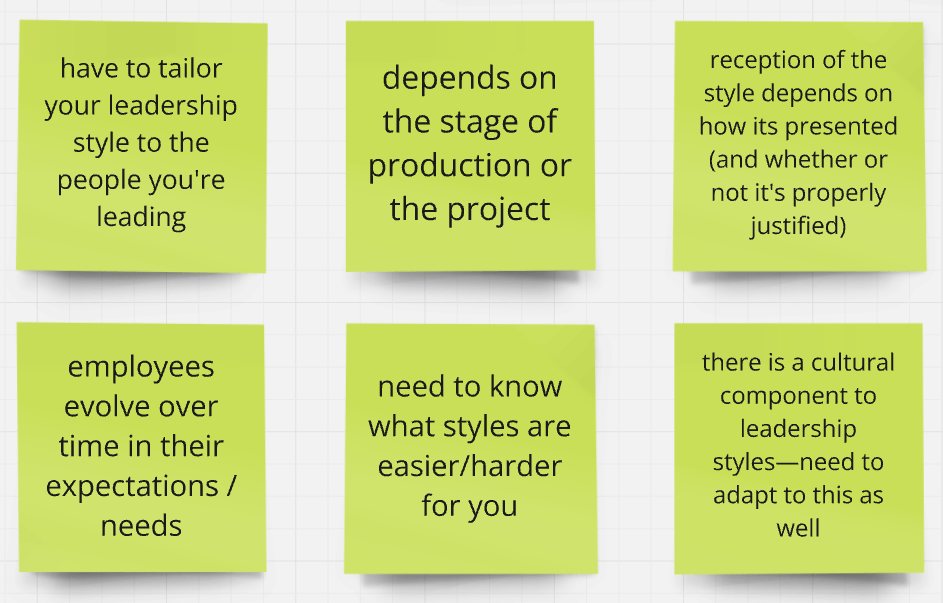






 Richard's Blog